Selling land
Sell land with a licensed real estate broker
Selling land differs from selling a home: there are no rooms to show or finishes to photograph — just a location, an area, a permitted use and the future of the district around it. The buyer may be a family that wants to build, a developer looking for a plot, or an investor thinking years ahead, and each asks different questions a broker must be able to answer.
With SaudiRealtor you describe your land once, and your request reaches up to three licensed brokers who know your area. They contact you with offers to compare.
Who is this for?
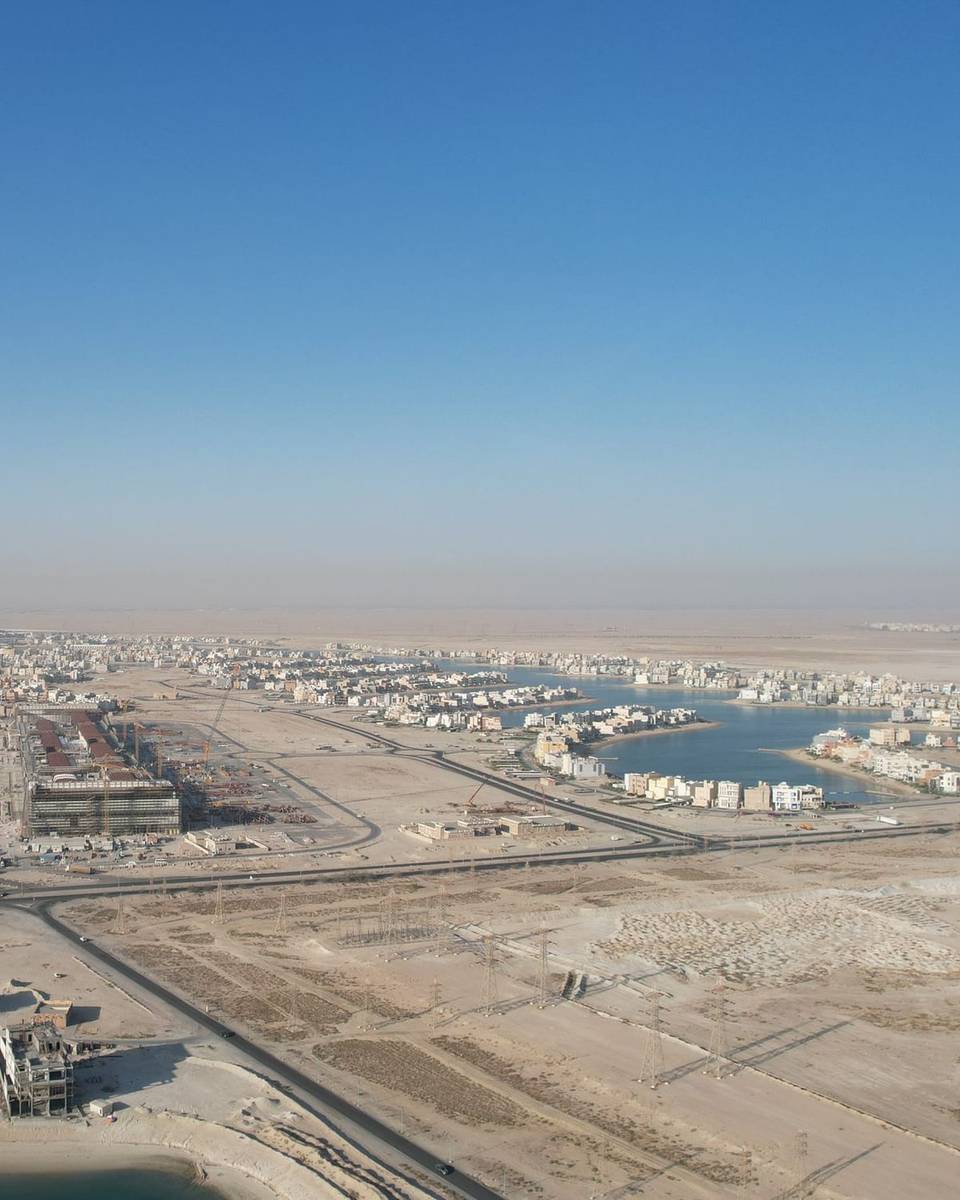
Owners of a residential plot in an approved scheme who would rather sell than build, owners of a commercial plot on a main road, heirs who own land jointly and want to divide its value, or someone who bought land years ago and feels now is the time to sell.
It also suits owners of a large plot who don’t know whether to sell it whole or subdivided — a question for a broker who knows the buyers and developers in the area.
How a land sale usually works with a licensed broker
- Reviewing the deed and plan
The broker reviews the deed, plot number and scheme plan, and confirms the area, boundaries and street widths with you.
- Use and price
They explain the permitted use — residential or commercial — and suggest a price range based on location and what they know of the market.
- Brokerage agreement
A written agreement setting out the land, duration, commission and exclusivity before any marketing.
- Marketing to the right buyers
A licensed ad, and presenting the land to developers, investors or families depending on its nature.
- Negotiation and transfer
The broker negotiates price and payment, then the transfer is completed through official channels.
Types of land and what each buyer cares about
A residential plot in a district with full services attracts families who want to build soon; they ask about neighbours, the mosque, schools and the facing direction. Buyers of commercial land care about street width, traffic, permitted building rules and the number of floors.
Large or raw plots on the edge of cities have a different market of developers and investors looking at growth plans and future services, so each type can’t be marketed the same way.
What to check before listing the land
- The deed is up to date, and the area and boundaries match the land.
- The plot is in an approved scheme, and you know its permitted use.
- The width of surrounding streets and any setbacks or building conditions.
- No mortgage, dispute or hold on the deed.
- Any fees or obligations attached to the land that must be settled before selling.
A licensed broker helps with this review, but the final confirmation comes from the relevant official bodies. Read selling land: what to check before you list.
What a good broker does for you
A good land broker knows the schemes in your area and who buys there — families, developers or investors — and prices realistically from location and use, not from figures passed around without a source.
They prepare a clear file for the land — location, area, use and streets — saving serious buyers many questions and filtering out casual callers.
Documents usually needed
- The land deed, ideally an up-to-date electronic deed.
- The owners’ IDs, and a valid power of attorney if an agent acts for them.
- The site sketch or plan, the plot number and scheme.
- Proof the mortgage has been released if the land is mortgaged.
What affects a plot’s price and time to sell
- Location, access to roads and services, and the direction the city is growing.
- Permitted use: residential, commercial or mixed.
- Size and shape, the number and width of streets, and corner plots.
- Services in the scheme: electricity, water and paved roads.
- A clear deed with no encumbrances.
- The asking price compared with similar plots.
How the broker is paid
A broker usually earns a commission when the sale completes. The Real Estate Brokerage Law sets the general framework and the details go into the brokerage agreement. Compare offers by each broker’s experience and marketing, not by commission alone. Read broker commission explained.
Questions to ask every broker
- What is your FAL licence number?
- What experience do you have selling land in this scheme or area?
- Who is the likely buyer for this land, and how will you reach them?
- How did you arrive at the price?
- Would you sell it whole or subdivided, and why?
- What is the commission, what does it include, and is the agreement exclusive?
Red flags
- A broker without a FAL licence, or who won’t share its number.
- Prices based on “rumours” of future projects with no official source.
- Marketing the land before the deed and plan have been checked.
- Fees demanded before a sale.
Common questions about selling land
Is the request free?
Yes — sending a request is free and without obligation.
Can land owned jointly by heirs be sold?
Yes; a sale usually needs the agreement of all owners or their lawful representatives. The broker explains the general steps.
Do I need an accredited valuation?
Not always, but for large plots or estates an accredited valuer can help. Read about property valuation.
Will you publish an ad for my land?
No — we publish no property ads. The broker you choose handles marketing with a licensed ad.
How many brokers will contact me?
Up to three licensed brokers, or the number you choose.
Should I sell now or wait?
Nobody can predict the market precisely; a good broker explains the current factors in your area, and the decision is yours based on your needs.
Will the broker sell to a developer or a family?
It depends on the land, its location and size. Ask each broker who the likely buyer is and how they will reach them.

Compare broker offers to sell your land
Describe your land, its location and use once, and let up to three licensed brokers contact you with offers.