Is letting right for you?
Before deciding, think about your needs: do you need the full amount now, or does monthly or yearly income suit you? Will you return to the property one day? Do you have time to deal with the tenant and maintenance, or will you need someone to manage it?
Ask brokers about rental demand in your district and property type — some districts have many tenants, others are mostly owner-occupied. If you are torn between selling and letting, ask brokers for their view on both.
Prepare the property for letting
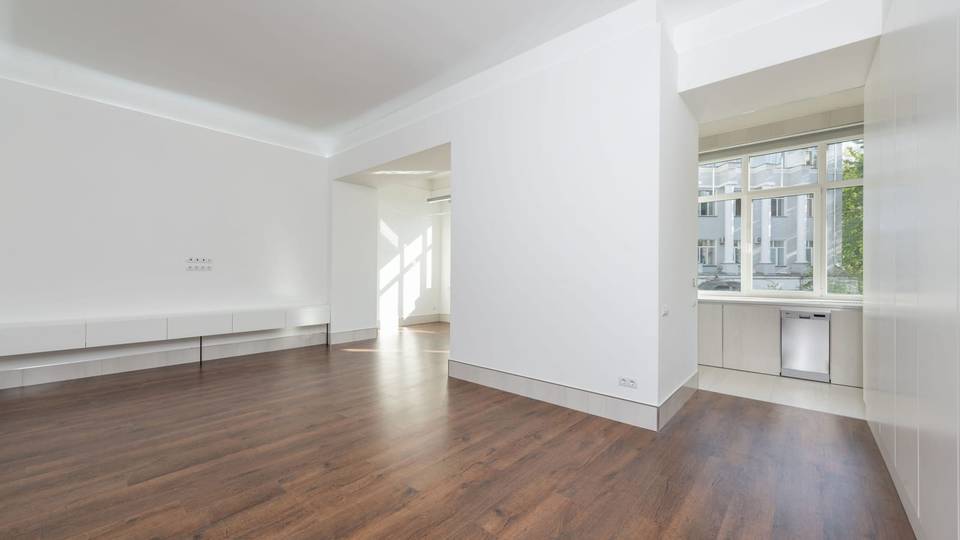
Good tenants choose clean properties where everything works. Fix leaks, lights and doors, clean and check the air conditioners, repaint where needed and clean thoroughly before photos and viewings.
Think about furnishing: furnished apartments may attract employees and residents for shorter stays; unfurnished suits families for longer. Each has different costs and upkeep. Read preparing a property.
Set the rent realistically
An inflated rent leaves the property empty for months, and an empty property earns nothing. Ask brokers for their estimate based on similar properties actually let in the district, not on ads.
Decide on payment terms — yearly, half-yearly or monthly — depending on what suits you and what is common in the market. More frequent payments can attract more tenants but need more follow-up.
Broker or property manager?
- Letting broker
Finds the tenant, organises viewings, vets the tenant and helps register the lease. After that you deal with the tenant and maintenance yourself.
- Property manager
Handles everything for the whole lease: rent collection, maintenance, dealing with the tenant, renewal and reports. Suits you if you are busy, out of town or own several properties.
Read about property management, and compare offers on services and fees, not price alone.
Marketing to tenants
Tenants search differently from buyers: they care about nearness to work and schools, parking, the state of air conditioning and appliances, and which services the rent covers. Ask the broker to highlight these in the licensed listing, with clear photos of every room.
State clearly what you accept and what you do not — families or individuals, payment terms, minimum lease length — so you only get suitable enquiries.
Vet the tenant
The right tenant matters more than the highest rent. Ask about their work or income, how many people will live there, why they are relocating and how long they want to stay. Check their ID and, where possible, their rental history through available channels.
A good broker or property manager does this vetting, so ask how. Do not hand over the keys before the lease is registered and the first payment received.
Register the lease on the official platform
Residential leases in Saudi Arabia are registered on the Ejar platform. Registration protects both parties and makes the lease a clear reference in any dispute. It is usually done through a real estate broker registered on the platform.
Check that the property, the parties, rent, term and payment terms are correct in the registered lease, and keep a copy.
What the lease should contain
- The rent, payment dates and method.
- The term, and renewal and termination conditions.
- Any deposit and the conditions for returning it.
- Who pays for maintenance, major and minor.
- Who pays electricity, water and service bills.
- Permitted use and number of occupants.
- The property’s condition at handover — ideally a check-in report with photos.
Maintenance
Agree clearly who bears each kind of maintenance. Major building and services faults are usually the owner’s; minor upkeep from everyday use may be the tenant’s, depending on the lease. Responding quickly to faults keeps good tenants and protects the property.
If you have a property manager, agree a spending limit they can use without checking with you, and ask for photos and invoices for every repair.
Set aside part of the rent for regular upkeep — air conditioning, plumbing and paint need renewing from time to time.
Letting a villa by floor or annex
Some owners let one floor of their villa or an annex. The let part should be as self-contained as possible: a separate entrance, separate meters where possible, and a clear agreement on parking and shared areas. Make sure the division is permitted and that the lease describes the let part precisely.
The costs of letting
Rent is not all profit. Account for commission or management fees, preparation and yearly maintenance, periods the property may sit empty between tenants, and any service charges or owners’ association fees you bear. Then compare the net income with alternatives, such as selling, before you decide.
Late payment
Talk to the tenant first — the delay may be temporary. If it repeats, refer to the registered lease and the procedures the rules allow. A registered lease makes these procedures much easier than an unregistered one.
Keep every exchange about late payment in writing and keep a payment record. If you have a property manager, agree in advance the steps for handling late payment and when they come back to you, so action is neither delayed nor taken without your knowledge.
Renewal and ending
Well before the lease ends, decide whether to renew and on what terms, and tell the tenant as the lease requires. At move-out, inspect the property with the tenant, compare it with the check-in report and agree any repairs before returning the deposit.
If you decide to sell while it is let, the existing lease usually passes with the property and may appeal to investors. Read selling a property step by step.
Common landlord mistakes
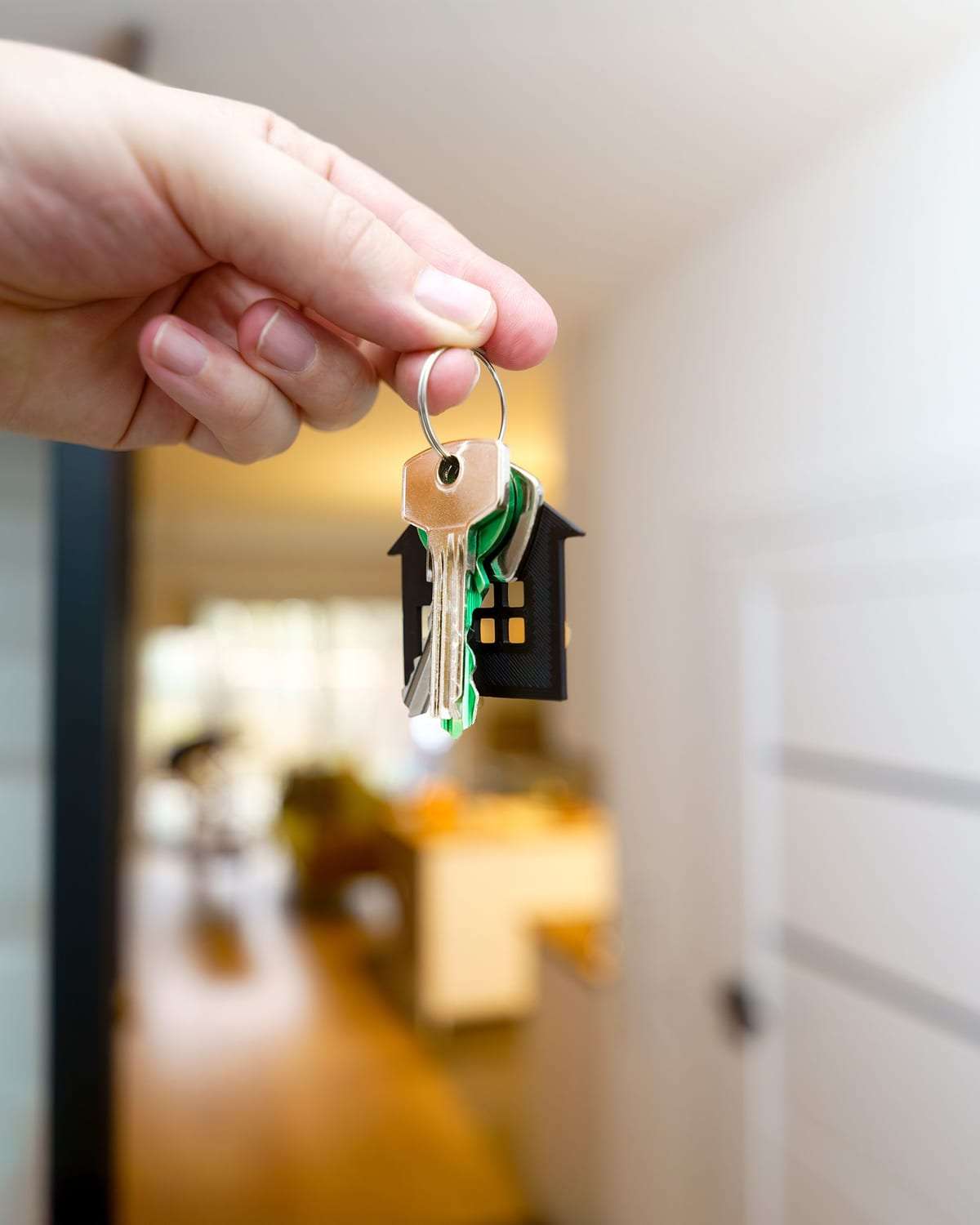
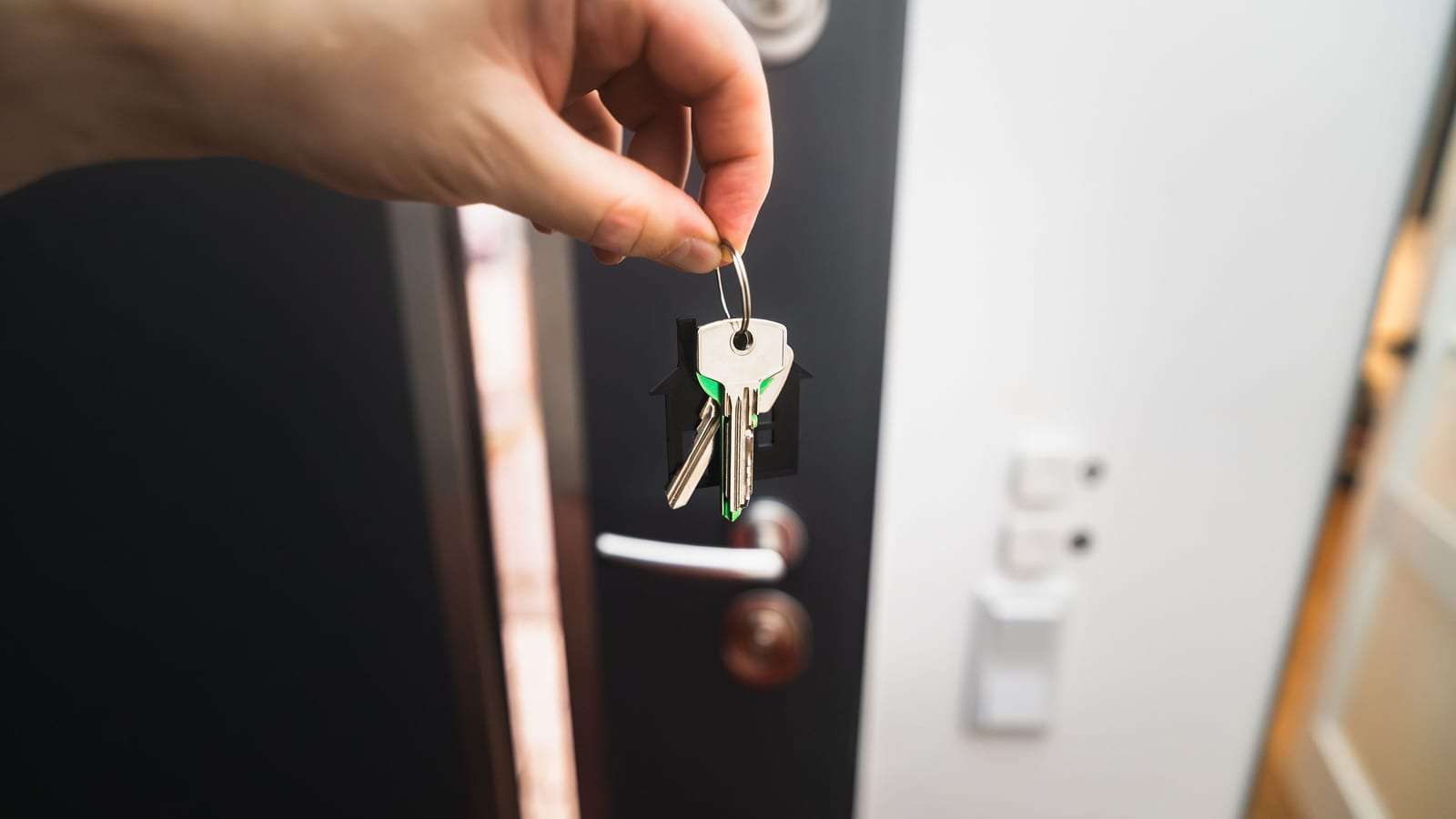
- Handing over keys before the lease is registered and the first payment received.
- No check-in report on the property’s condition, making move-out hard to agree.
- Choosing the tenant offering the highest rent without vetting them.
- Letting faults grow, and losing a good tenant.
- A lease without clear terms on maintenance and renewal.
FAQ
Must the lease be registered?
Residential leases are registered on the Ejar platform. Check current requirements for your property type.
Should I let furnished or unfurnished?
Furnished attracts employees for shorter stays; unfurnished suits families. Ask the broker about demand in your district.
Can a broker manage my property if I live abroad?
Property management companies do, with regular reports. Agree the details in writing.
Who pays the letting commission?
Depending on the agreement and rules. Write it into the brokerage agreement.
Is a request through SaudiRealtor free?
Yes — choose renting out or property management in the request; it is free and without obligation.
This guide is general information, not legal, financial or tax advice. Rules and fees can change — always confirm with the Real Estate General Authority and the relevant official bodies, and with a licensed broker, before deciding.