Start with the buyer’s view
Walk through your property as if seeing it for the first time: from the street, then the entrance, then each room. What catches your eye first? A damp stain on the ceiling? A door that will not close? A noisy air conditioner? A broken light? Small details make buyers wonder what they cannot see, so they lower their offer or hesitate.
Ask the broker to walk through with you and give honest feedback — they know what buyers in your district notice and ask about.
Write a list of what you and the broker noticed, then sort it: what must be fixed before listing, and what can be disclosed instead of fixed.
Repairs usually worth doing
- Leaks and damp on ceilings and walls — fix the source, do not just paint over it.
- Air conditioners: clean, service and make sure they cool well.
- Broken lights, switches and sockets.
- Doors and windows that do not close properly, locks and handles.
- Dripping taps and slow drains.
- Dirty or cracked paint, redone in calm neutral colours.
- Broken or missing tiles in visible places.
These jobs cost relatively little, but they remove reasons for buyers to hesitate.
Usually not worth it
A full kitchen or bathroom refurbishment, replacing all the floors or adding rooms right before selling. These are expensive, may not pay back in the sale price, and the buyer may want to choose their own style.
The exception is a defect that blocks the sale or the buyer’s financing, such as a structural problem or an unpermitted extension — that must be dealt with or disclosed. Ask the broker before any major spending: will this work pay back?
Tidying and decluttering
A thorough clean is one of the cheapest and most effective things you can do: windows, floors, kitchen, bathrooms and air-conditioning vents. In dusty cities dust builds up quickly, so clean again before photos and important viewings.
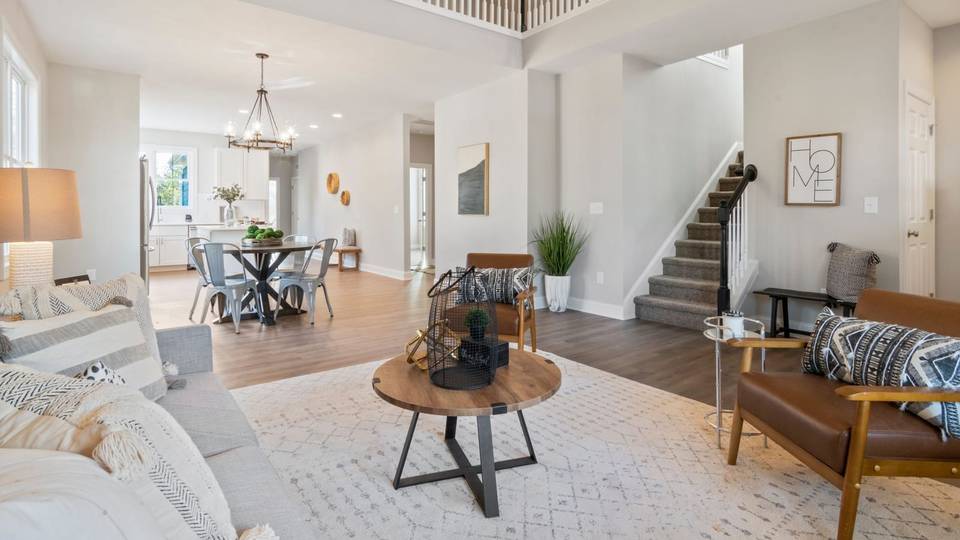
Then reduce clutter: extra furniture, lots of personal items and family photos. Buyers need to picture themselves in the home, and less crowded rooms look larger.
Heat, humidity and light
In a Saudi summer, a viewing in a hot house leaves a bad impression, so switch the air conditioning on well before the buyer arrives. In coastal cities, airing the home and removing any damp smell matter.
Open the curtains for daytime viewings to let in natural light, and switch on lights in darker rooms. A bright room looks larger and cleaner.
Facade and entrance
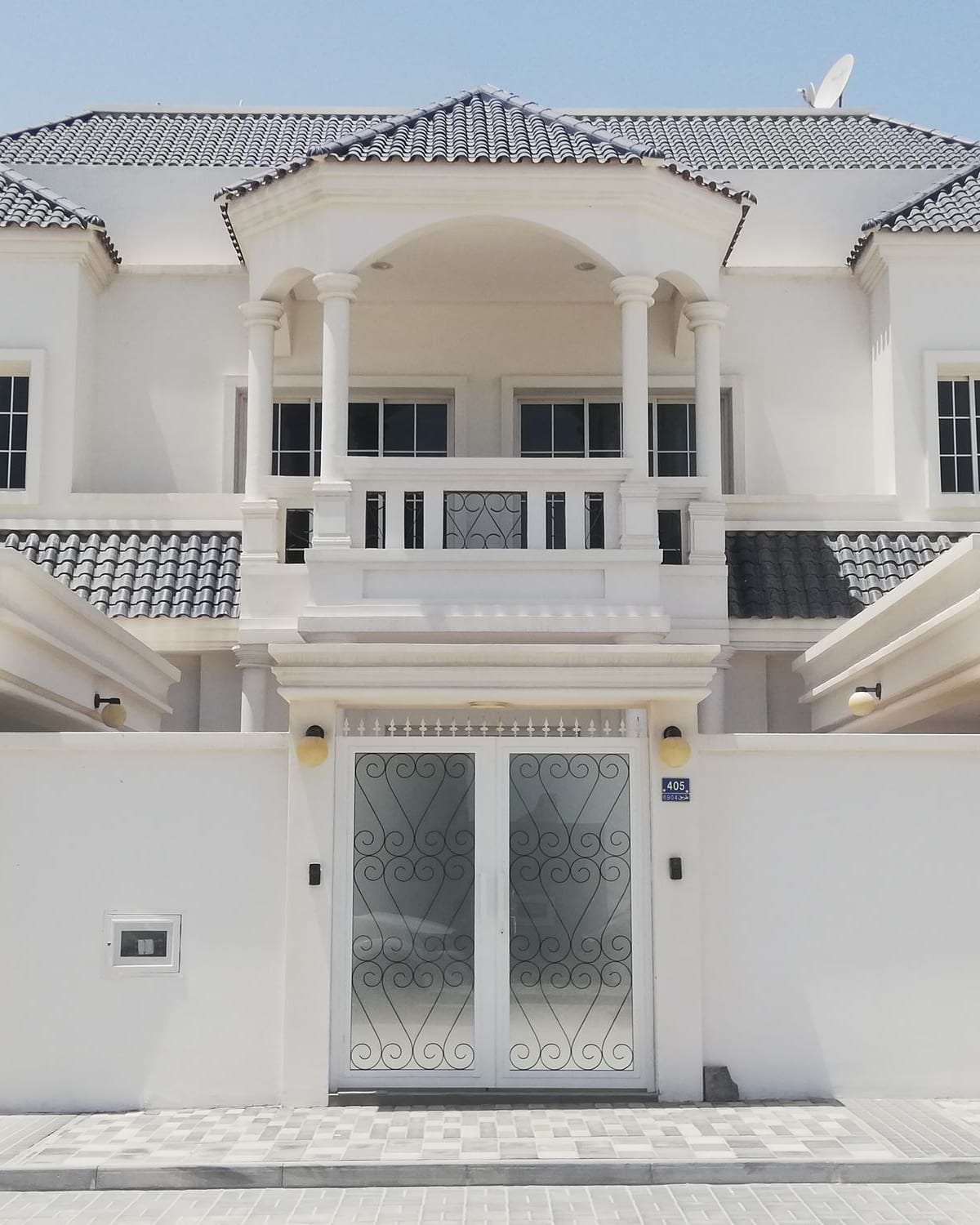
The first impression starts at the street: clean the facade and entrance, fix outdoor lighting, tidy the garden or courtyard and make sure the gate works. For villas, check the roof and water tanks — a serious buyer may ask to see them.
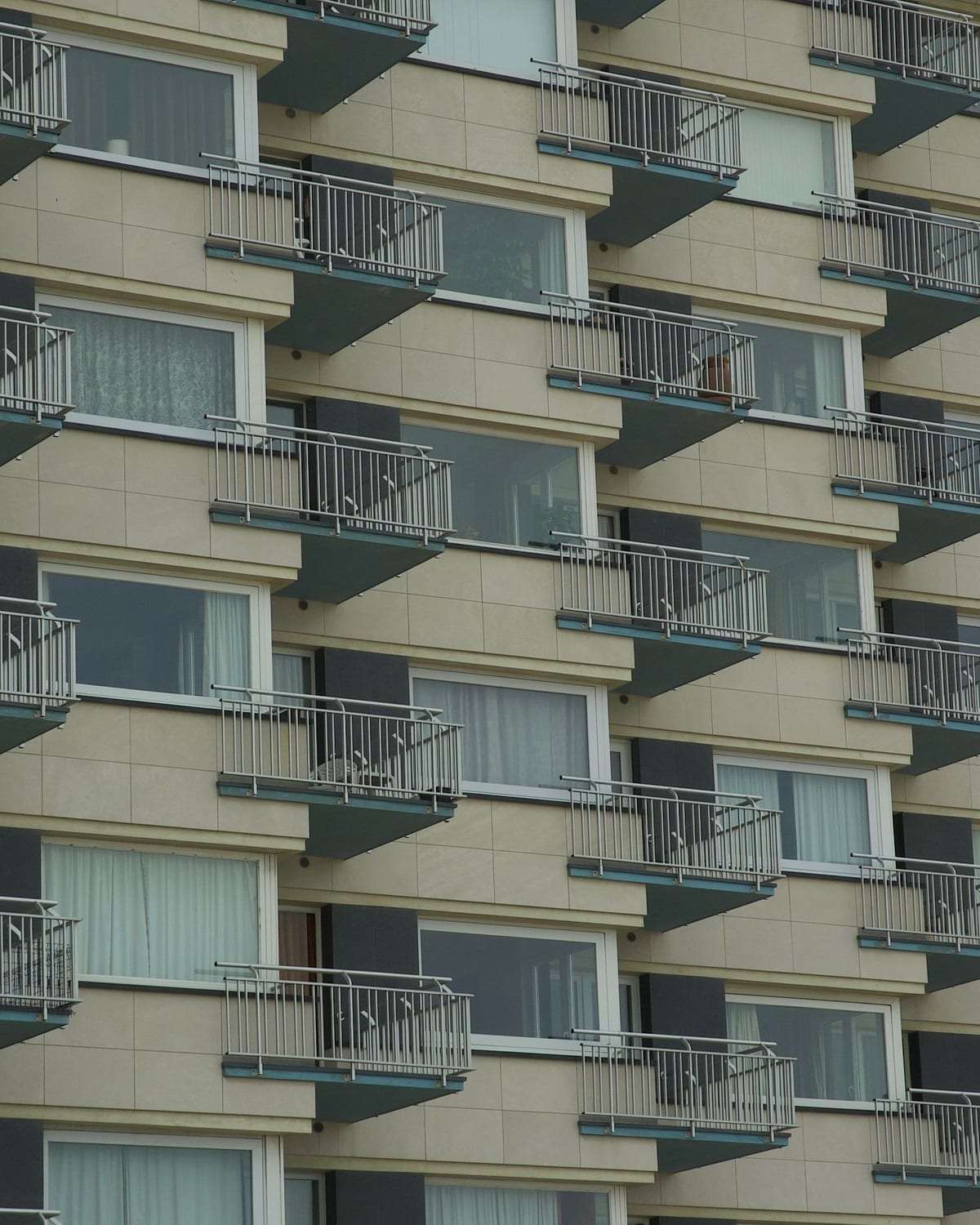
For apartments you do not control the whole building, but you can make sure your door and entrance are clean and know the state of the lift and parking to answer questions.
Photography
Most buyers see your property first in photos, so agree with the broker on:
- Professional photos, or at least good lighting and a wide lens.
- Shooting after tidying up, at a time with good natural light.
- A photo of each main room, the facade, the kitchen, the bathrooms and any special feature.
- No people, sensitive personal items or number plates in shot.
- Honest photos that reflect reality — exaggeration wastes viewings.
Have the papers ready before viewings
Serious buyers ask early about the deed, permit and plans, building age and maintenance. Give copies to the broker, and prepare a list of maintenance and improvements with dates, plus any existing warranties.
Hosting viewings
Agree times that suit you, and that the broker checks buyers are serious before bringing them. It is often better to let the broker lead the viewing — buyers speak more freely when the owner is not there.
Before each viewing: tidy, switch on the air conditioning and lights, open the curtains, take pets out if you have them and put valuables away. Afterwards, ask the broker for the buyer’s feedback.
If you live there or it is let
If you live there, keep it tidy throughout the marketing period and agree fixed viewing times. If it is let, coordinate with the tenant in advance under the lease and the rules, and respect their privacy — their cooperation matters for good viewings.
How much to spend on preparation
There is no fixed rule, but the principle is simple: spend on what removes a clear reason for buyers to hesitate or prevents a price cut, not on what reflects your personal taste. Get quotes for repairs before starting, and compare their cost with the effect your broker expects.
Keep the invoices — they show buyers the repairs are recent and properly done, and may help when you work out your selling costs.
If you are selling land
Land needs different preparation: clear any debris, make sure the boundaries are clear and match the deed, and have the approved site sketch and details of connected services ready. Photos from above or angles that show the street and surroundings help buyers picture the location. Read checks before selling land.
Common preparation mistakes
- Painting over damp without fixing the leak, so it returns within weeks.
- A big refurbishment in personal taste right before selling, without asking the broker.
- Photographing before tidying up, so weak photos stay in the listing.
- Leaving air conditioners broken in summer, so buyers leave with a bad impression.
- Hiding a known defect, which the buyer finds at inspection and loses trust.
Quick checklist before listing
- Fix leaks, lights, doors and taps.
- Service and clean the air conditioners.
- Give it a thorough clean and declutter.
- Tidy the facade, entrance and garden.
- Prepare the deed, permit, plans and maintenance record.
- Photograph after preparation and in good light.
FAQ
Should I repaint before selling?
If the paint is dirty or cracked, neutral repainting usually helps. Do not paint over damp before fixing its source.
Should I sell furnished or empty?
Simply furnished feels warmer; empty looks larger. Ask the broker what suits your property’s buyers.
Should I hide defects from buyers?
No — disclosing known defects protects you and builds trust; hiding them can lead to disputes later.
Does the broker pay for photography?
It depends on the agreement. Ask, and write it into the brokerage agreement.
Should I get a technical inspection before selling?
It helps for older homes: it reveals defects before the buyer does, so you can decide what to fix and what to disclose.
This guide is general information, not legal, financial or tax advice. Rules and fees can change — always confirm with the Real Estate General Authority and the relevant official bodies, and with a licensed broker, before deciding.