1. The deed: is it sound and current?
Start with the deed: is it an up-to-date electronic deed? Is it in your name or in the names of all owners? Is there a mortgage, hold or dispute on it? Are its details — area, boundaries and lengths — correct? Any problem here must be solved before selling, because transfer cannot happen without it.
If your deed is old or on paper, ask about updating it — it can take time, so start early.
2. Boundaries on the ground
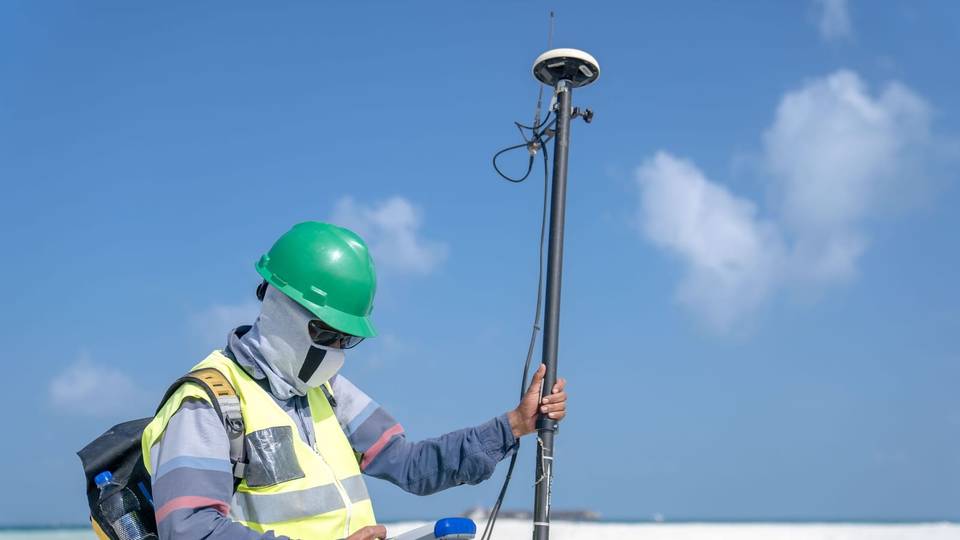
Make sure the boundaries on the ground match the deed and site sketch. On some land — especially older, agricultural or village plots — reality can differ from paper because of encroachments or earlier survey errors. A serious buyer or the bank may ask for a survey.
If you are unsure, consider having a licensed engineering office survey the land before selling. It avoids disputes later and reassures the buyer.
3. Plan and land use
Is the land in an approved plan? What is its permitted use — residential, commercial, mixed, agricultural or other? What are the building conditions, such as floors, setbacks and coverage? This information determines who can buy the land and what they can build, and so its value.
You can check with the municipality or official platforms. Do not rely on what neighbours say or on ads for nearby plots — use can differ from one plot to the next.
4. Connected services
One of the first things buyers ask: are electricity, water and sewerage connected? Is the street paved and lit? In new plans, services vary a lot between plans, even between parts of the same plan.
Describe what is available accurately, without exaggeration. The buyer will check, and exaggeration wastes both parties’ time and weakens trust.
5. Street, frontages and position
Street width, number of frontages, the direction the frontage faces, the plot’s position in the plan (corner or middle) and nearness to main roads and services all affect buyer interest. Land on two streets or on a corner is usually in higher demand.
Take this information from the site sketch and ask the broker to highlight it in the listing.
6. Fees on land
Some undeveloped land within the urban boundary in certain cities may be subject to annual fees under the rules. Check your land’s status: is it subject to these fees, and is anything outstanding that must be paid before selling?
On sale, the real estate transaction tax is paid under the rules, and the parties agree who bears it. Read selling costs.
7. Shared ownership and heirs
If the land is owned by more than one person, all owners must agree to the sale or appoint a representative under a valid power of attorney. If inherited, start with the deed of inheritance, transferring or updating ownership if needed, then agree on the minimum price and how proceeds are split.
Many land deals stall because one heir has not agreed or does not attend. Sort this out before engaging a broker.
8. Agricultural land and farms
Farm land has extra considerations: the water source, wells and their permits, electricity, the access road, and any palms, trees, buildings or equipment on it. Write clearly what the sale includes and what it does not.
Special rules on use or subdivision may apply to agricultural land, so check them before marketing.
9. The ground itself
In some areas, buyers may ask about soil conditions, whether the land is on a slope or in a flood channel, or needs filling or levelling. They may ask for a soil test before buying, especially for a large building. If you have earlier information or reports, have them ready.
Who buys land?
- People building for themselves
They care about the district, services, street width and nearness to schools and mosques.
- Developers
They look for large or adjoining plots and ask about use and building conditions.
- Investors
They look at long-term growth and at commercial land on main roads.
Marketing land
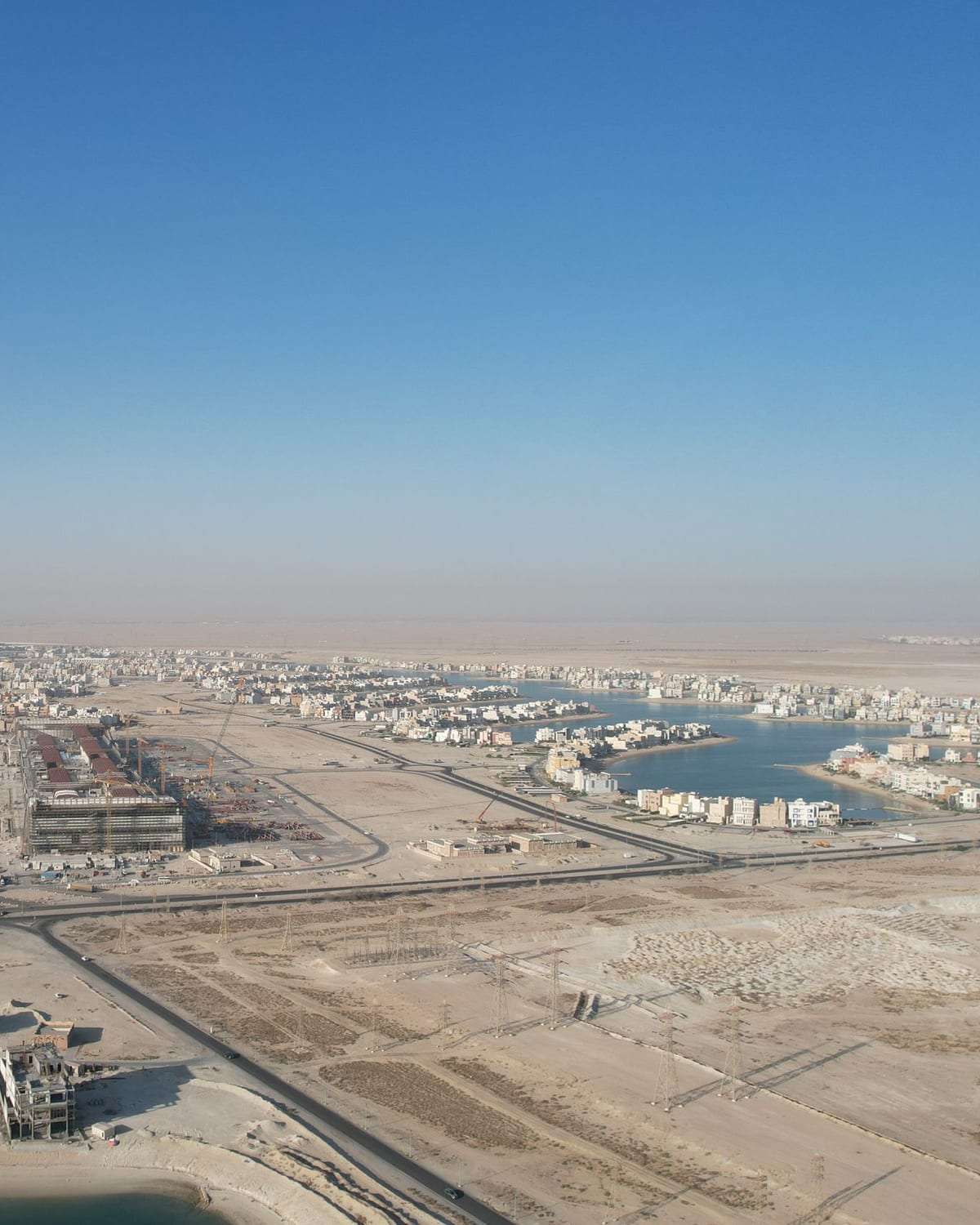
Land is not presented like a house. Ask the broker for clear photos from angles that show the street and surroundings — aerial if possible — and a map showing the location relative to roads and services. Ask which buyers suit your land and how they will reach them.
Choose a broker with experience selling land specifically who knows the plans in your area. Read selling land and how to choose a broker.
Price: how is land valued?
A land price estimate rests mainly on actual deals for similar plots nearby — in the same or a neighbouring plan, with the same use and similar street width and frontages. So ask each broker to explain their estimate with examples, not just a number.
Beware of comparing your land with asking prices in ads — they may never be achieved. If the land is large or unusual, or estimates differ widely, consider a certified valuation.
Transfer and after
Once you agree with the buyer, transfer is done through the approved channels after the real estate transaction tax and any fees due are paid. Make sure all owners or their agents are present or ready electronically, and that the deed stays free of any hold until transfer day.
Quick checklist
- An up-to-date electronic deed, with no mortgage or hold.
- Boundaries that match the deed and site sketch.
- Land use and building conditions known.
- Connected services described accurately.
- Any fees due paid or known.
- All owners’ agreement or valid powers of attorney.
- For farms: water, electricity and what the sale includes in writing.
FAQ
Do I need a survey before selling?
Not always, but it helps if you doubt the boundaries or the land is old or agricultural.
How do I find out my land’s permitted use?
From the municipality or official platforms, not from nearby ads — use can differ between neighbouring plots in the same plan.
Do land fees affect the sale?
They can affect your figures and the buyer’s. Check your land’s status and anything outstanding.
Do I need a certified valuation for land?
It helps if brokers’ estimates differ or the land is large or inherited, and the bank requires one for financing.
This guide is general information, not legal, financial or tax advice. Rules and fees can change — always confirm with the Real Estate General Authority and the relevant official bodies, and with a licensed broker, before deciding.