Buildings and commercial property
Sell a building or commercial property with a licensed broker
A buyer of a building or shops usually sees the property as an investment first: what income does it produce, what state are the existing leases in, and how much maintenance will it need in the coming years? Selling it needs a broker who knows investors and gives them a clear, honest file on the property rather than general promises.
With SaudiRealtor you describe your property once, and your request reaches up to three licensed brokers in your area, who contact you with offers so you can compare experience, marketing and commission.
Who is this for?
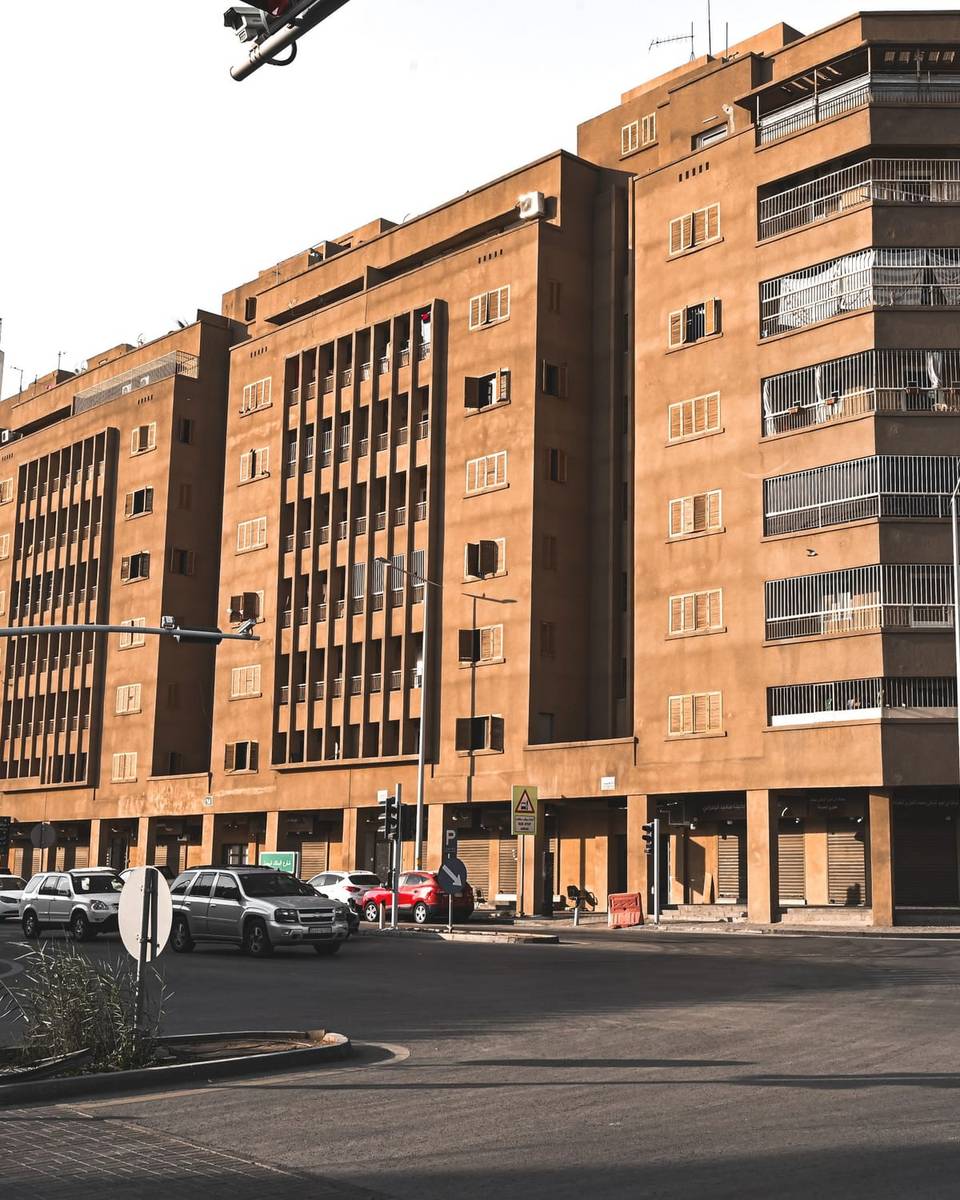
Owners of a residential building with let flats, a building with shops on the ground floor and flats above, shops on a main road, an office building or a warehouse. It also suits heirs and partners who own commercial property and want to sell it in an orderly way.
A property that needs major maintenance, or has vacant units, can still be sold — but these facts must be presented honestly, and a good broker knows how to present them to the right investor.
How a sale usually works with a licensed broker
- Gathering information
The broker reviews the deed, building permits, existing leases and the status of the units, to see the property as an investor would.
- Pricing
They suggest a price range based on location, condition and actual income, not on projections with no basis.
- Brokerage agreement
A written agreement setting out the property, duration, commission and exclusivity before marketing.
- Marketing to investors
A clear investment file, a licensed ad, and direct approaches to serious investors while keeping sensitive details confidential.
- Negotiation and transfer
The broker negotiates price, terms and the handover of leases, then the transfer is completed through official channels.
The property file investors ask for
Serious investors want real figures before they visit. Prepare with your broker a list of units, the documented leases and their end dates, vacant units, and the usual maintenance and service costs. Don’t overstate income or hide vacancies — it all comes out in due diligence and destroys trust at the last stage of the deal.
A good broker makes sure tenants’ personal details are shared only with those who genuinely need them, at an advanced stage of negotiation.
Selling while it is let
Most buildings and shops are sold with tenants in place, which investors usually see as an advantage because they buy existing income. Viewings need respectful coordination with tenants, notice in advance and no disruption to shops at their busiest times. A good broker arranges this calmly and protects your relationship with the tenants until after the sale.
What a good broker does for you
A good commercial broker speaks the investor’s language — income, leases, building condition and risks — and knows investors, funds and companies in your area, taking your property directly to them rather than relying on a general ad.
They price honestly and explain how an investor will see your property, and what raises or lowers its value in their eyes, before negotiations begin.
Documents usually needed
- The title deed, ideally an up-to-date electronic deed.
- The building permit, completion certificate and plans.
- Documented leases, a list of units and vacancies.
- Owners’ IDs and any power of attorney, or company documents if a business owns it.
- Proof the mortgage has been released if the property is mortgaged.
What affects a commercial property’s price and time to sell
- Location, the street, traffic and commercial visibility.
- Actual income and how stable and long the leases are.
- Occupancy and vacant units.
- Age and condition of the building and the maintenance it needs.
- Regular permits and documents.
- The asking price compared with similar properties and how investors see them.
How the broker is paid
A broker usually earns a commission when the sale completes. The Real Estate Brokerage Law sets the general framework, and the details go into the brokerage agreement: the amount, who pays, when, and which services — such as preparing the investment file — it covers. Read broker commission explained.
Questions to ask every broker
- What is your (or your firm’s) FAL licence number?
- What experience do you have selling buildings or commercial property here?
- Which investors will you present the property to?
- How will you keep lease and tenant details confidential?
- How did you arrive at the price?
- What is the commission, what does it include, and is the agreement exclusive?
Red flags
- A broker without a FAL licence, or who won’t share its number.
- Publishing lease and tenant details openly for no reason.
- A high price promised on income that doesn’t exist.
- Fees demanded before a sale.
Common questions about selling commercial property
Is the request free?
Yes — sending a request is free and without obligation.
Do the leases pass to the buyer?
Existing leases usually continue with the new owner, according to their terms and the rules. The broker explains what applies to you.
Can I sell with some units vacant?
Yes — what matters is presenting vacancies honestly; investors value clarity.
Do I need an accredited valuation?
For large properties, or when the buyer is a lender-backed buyer or company, an accredited valuation may be required. Read about property valuation.
Will you publish an ad for my property?
No — we publish no property ads. The broker you choose handles marketing with a licensed ad.
How many brokers will contact me?
Up to three licensed brokers, or the number you choose.
Should I sell the property whole or as separate units?
It depends on the property, its deeds and the local market — some buildings sell whole to one investor, others are subdivided and sold unit by unit. Discuss it with the broker before marketing.


Compare broker offers to sell your commercial property
Describe the property, leases and location once, and let up to three licensed brokers contact you with offers.